Managing leachate at large industrial waste facilities is never straightforward. As landfills age, the liquid that seeps through waste—known as leachate—can accumulate and carry a mixture of contaminants, including ammonia, metals, hydrocarbons, and persistent chemicals like PFAS. Left untreated, these substances pose a serious risk to waterways and ecosystems, making effective treatment essential. A smart solution was required to treat the contaminated leachate.
The Situation
At a major Queensland landfill, leachate volumes had grown significantly over time. The site, which sits within an industrial precinct and was once the region’s largest open-cut coal mine, faced mounting pressure to meet strict environmental standards. Initially, wastewater was trucked off-site for treatment—a costly and inefficient process that added logistical complexity and environmental impact.
To overcome these challenges, a temporary on-site treatment plant was commissioned. The goal was to treat leachate to a standard suitable for discharge, reduce reliance on transport, and support the site’s rehabilitation program. The plant needed to handle an average flow of 20 kilolitres per hour, with flexibility for up to 30 kL/hr, and treat an initial 30 megalitres of leachate—potentially extending to 100 ML as rehabilitation progressed.


Smart Approach
SciDev delivered a solution that combined proven treatment methods with innovative technology designed to reduce total dissolved solids without traditional membrane systems like reverse osmosis. This approach minimised by-product waste and provided a more sustainable, cost-effective outcome over the life of the project.
The plant was designed for a standard operating flow of 200 kL/day, with capacity to scale up to 250 kL/day depending on influent conditions. Its adjustable turndown capability allowed precise control, ensuring compliance even at peak flow rates.
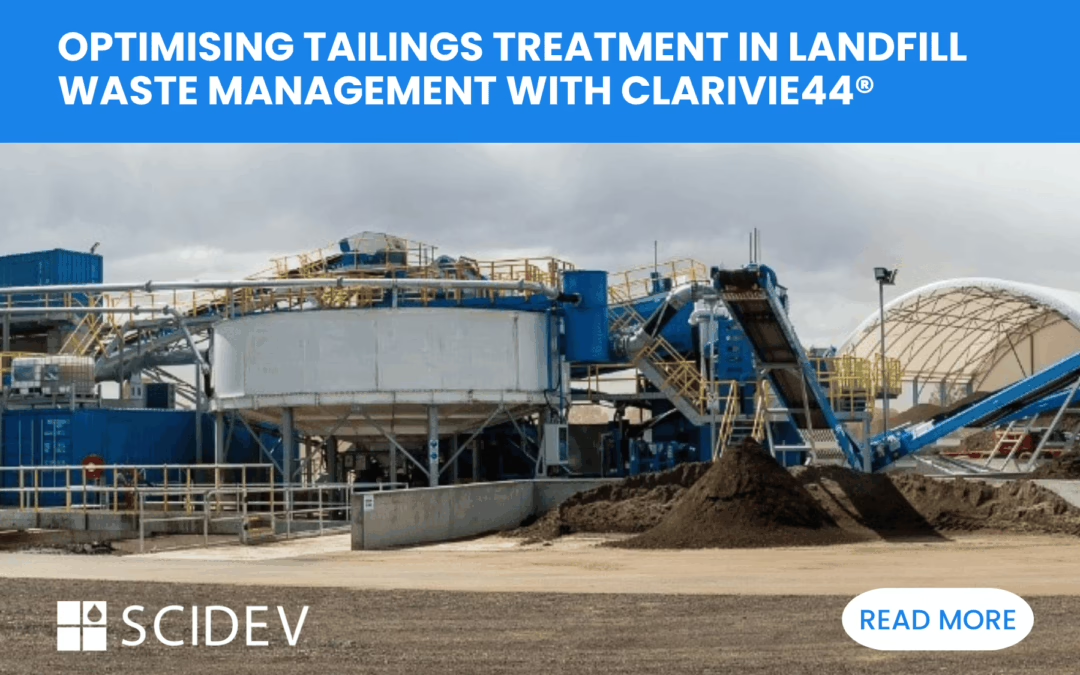
A key component of the system was advanced dewatering technology. Using a high-performance centrifuge, the plant processed up to 80,000 litres of contaminated sludge daily. Inline dosing of coagulants and flocculants optimised separation, producing sludge cake solids at 25–35% to reduce disposal volumes and maximise water recovery.
The Results
The on-site treatment plant transformed leachate management at the facility. By eliminating the need for extensive trucking, it reduced transport-related emissions and costs. The plant successfully treated the first 30 ML of leachate, removing contaminants such as iron, copper, and PFAS, and continued to operate as part of the site’s rehabilitation program.
Overall, this project showed how smarter water solutions can make a real difference. By using flexible, practical technology rather than relying solely on traditional methods, SciDev helped the site meet environmental standards while creating a more sustainable, long-term approach to managing contaminated water.